
CLUB'S BLOG

Its origins trace back to the biblical story of the birth of Jesus, when three wise men — Melchior, Caspar, and Balthazar — followed a guiding star to Bethlehem. They arrived bearing gifts of gold, honoring his kingship; frankincense, symbolizing his divinity; and myrrh, foreshadowing his humanity. This act of devotion became the foundation of a celebration that continues to live on, centuries later, through gestures of generosity and giving.
In Mexican homes, the evening of January 5th is filled with anticipation. Children write letters to the Three Kings, sharing their wishes with the same hope that once guided the wise men on their journey. A shoe is placed by the window or near the Christmas tree, waiting quietly for morning to arrive. By dawn, the letters have been answered, and small gifts appear — a tender reflection of the offerings once brought to the newborn Jesus.
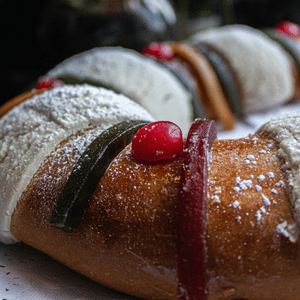
Families gather to share rosca de reyes, a softly sweet bread scented with orange zest and adorned with crystallized fruits. Hidden within the bread, a small figurine of baby Jesus connects this celebration to Día de la Candelaria on February 2nd, extending the spirit of togetherness beyond the holidays. Laughter, stories, and warm drinks fill the table, and time seems to slow.
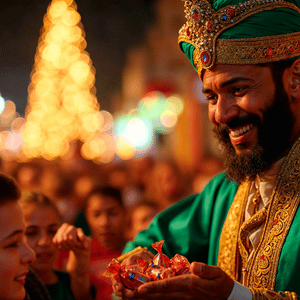
Across Los Cabos, the spirit of this tradition extends beyond the home. Local associations, businesses, and communities come together to collect gifts for children in need, delivering them on Three Kings Day — a meaningful reminder that generosity remains at the heart of this celebration.
More than a celebration, Three Kings Day is a pause — a reminder that meaning is found in shared moments and simple rituals. It honors values deeply woven into Mexican culture: generosity, faith, and community. A gentle closing to the season, and a thoughtful way to begin the year anew.