
CLUB'S BLOG

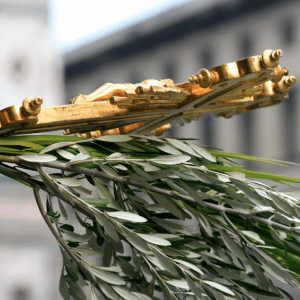
The Palm Sunday celebration evokes Jesus’s triumphant entrance into Jerusalem, where he was received with chants and palm branches; hence the tradition of taking palms or olive branches to church to be blessed. On the other hand, Holy Thursday commemorates the Last Supper of Jesus with his apostles. On this day, the Mass of the Washing of the Feet is celebrated to represent humility and service. It is also common to visit seven churches, a tradition that invites the faithful to visit different temples to reflect and pray.
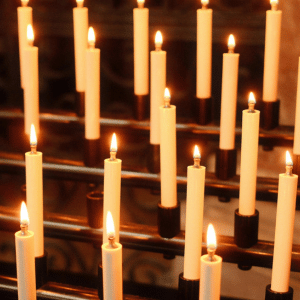
On Good Friday, representations of the Stations of the Cross are performed throughout Mexico, depicting the moment Jesus Christ is condemned to death until his crucifixion and burial in the tomb. On Holy Saturday, the day between Christ’s death and resurrection, respect and solemnity are encouraged. At night, many churches hold the Easter Vigil, a ceremony that symbolizes the passage from darkness (death) to light (resurrection), marking the end of Lent. Finally, on Easter Sunday, Christ’s Resurrection is celebrated. On this day, churches are filled with flowers and chants, candles are lit, bells ring, and families gather to share special meals, feeling grateful for life
In many Mexican colonial cities, the celebration is very solemn, such as during the Procession of Silence, where penitents carry heavy burdens as a symbol of self-sacrifice. This celebration, which takes place in San Luis Potosí, is the second-largest religious procession in the world. The procession begins at the Temple of Carmen at 8:00 p.m., where silence and the scent of incense fill the air while around 30 brotherhoods participate in complete silence, accompanied only by the sound of drums and trumpets. Emblematic hooded figures take part in the procession, representing humility and mourning through their attire.
On the other hand, in Chihuahua, Mexico, the Tewerichic fuses pre-Hispanic culture with Catholic tradition. The Holy Week celebration, introduced to evangelize Indigenous communities, coincides with the celebration of the deities of the Moon (Metzaca) and the Sun (Rayénari). This celebration portrays the battle between God’s allies and the devil’s warriors, while the pascoleros perform ritual dances.
Overall, Holy Week in Mexico is far more than a religious observance; it is a powerful cultural expression where faith, history, and community come together through centuries-old traditions. Across the country, these celebrations reveal the richness and diversity of Mexico’s spiritual heritage.
At Club Ninety Six, we embrace the best of both worlds. While honoring the traditions that surround us, we also celebrate Easter in a way that feels familiar to many of our Members. We invite you to join us at Oceano for our Easter Brunch, where family traditions, festive spirit, and exceptional cuisine come together in a setting designed to feel both welcoming and unforgettable.